Washington, D.C. — A coalition of former military legal experts has publicly called for an investigation into television personality and former military officer Pete Hegseth following allegations related to recent military operations. The group, identifying itself as the Former JAGs Working Group, issued a statement urging federal authorities to examine whether Hegseth’s actions could constitute violations of international law, including possible war crimes and unlawful killings.

The statement, released earlier today, described the concerns in detail. The group noted that public remarks and documents connected to Hegseth may indicate that he either authorized or encouraged conduct that could violate both U.S. military regulations and the laws of armed conflict. While the statement did not provide new classified information, it referenced prior reports of Hegseth’s involvement in advising personnel regarding maritime strike operations, which have been at the center of recent scrutiny.
According to the Former JAGs Working Group, the potential legal violations are serious and warrant immediate attention. “We believe that the scope and nature of the alleged actions require a thorough investigation to determine accountability,” the statement said. The group emphasized that all military personnel are bound by the Uniform Code of Military Justice (UCMJ) and international agreements, including the Geneva Conventions, which strictly prohibit targeting non-combatants and survivors in operational settings.

In addition to calling for a formal investigation, the group issued a detailed advisory concerning military orders. The statement encouraged service members to evaluate any directives that appear to conflict with established laws and to seek clarification through the appropriate chain of command. While the language prompted widespread discussion, representatives stressed that their primary concern is adherence to lawful conduct and protection of personnel from potential legal exposure.
The release of the statement immediately attracted attention in Washington. Congressional offices confirmed receipt of copies of the statement, and lawmakers from multiple committees expressed interest in reviewing the details. Staffers indicated that the Armed Services Committees in both the House and Senate are monitoring developments closely, and several members have requested briefings from senior defense officials to clarify Hegseth’s involvement in operational planning and communications.

Pentagon officials responded cautiously to inquiries regarding the statement. A spokesperson noted that the Department of Defense is aware of the Former JAGs Working Group’s public call and is currently reviewing any materials relevant to the matter. “We are committed to ensuring that all operations are conducted in compliance with U.S. law and the laws of armed conflict,” the spokesperson said. “Any allegation of misconduct is taken seriously and will be addressed through the proper channels.”
In recent days, the debate surrounding Hegseth intensified after a series of media appearances in which he commented on operational procedures during maritime incidents. Critics interpreted some remarks as endorsing aggressive measures that may not comply with legal standards, while supporters argued that Hegseth was speaking hypothetically or describing lawful operational scenarios. The Former JAGs Working Group, however, stressed that even the perception of unlawful conduct by high-profile individuals requires examination, given the potential influence on service members and policy implementation.
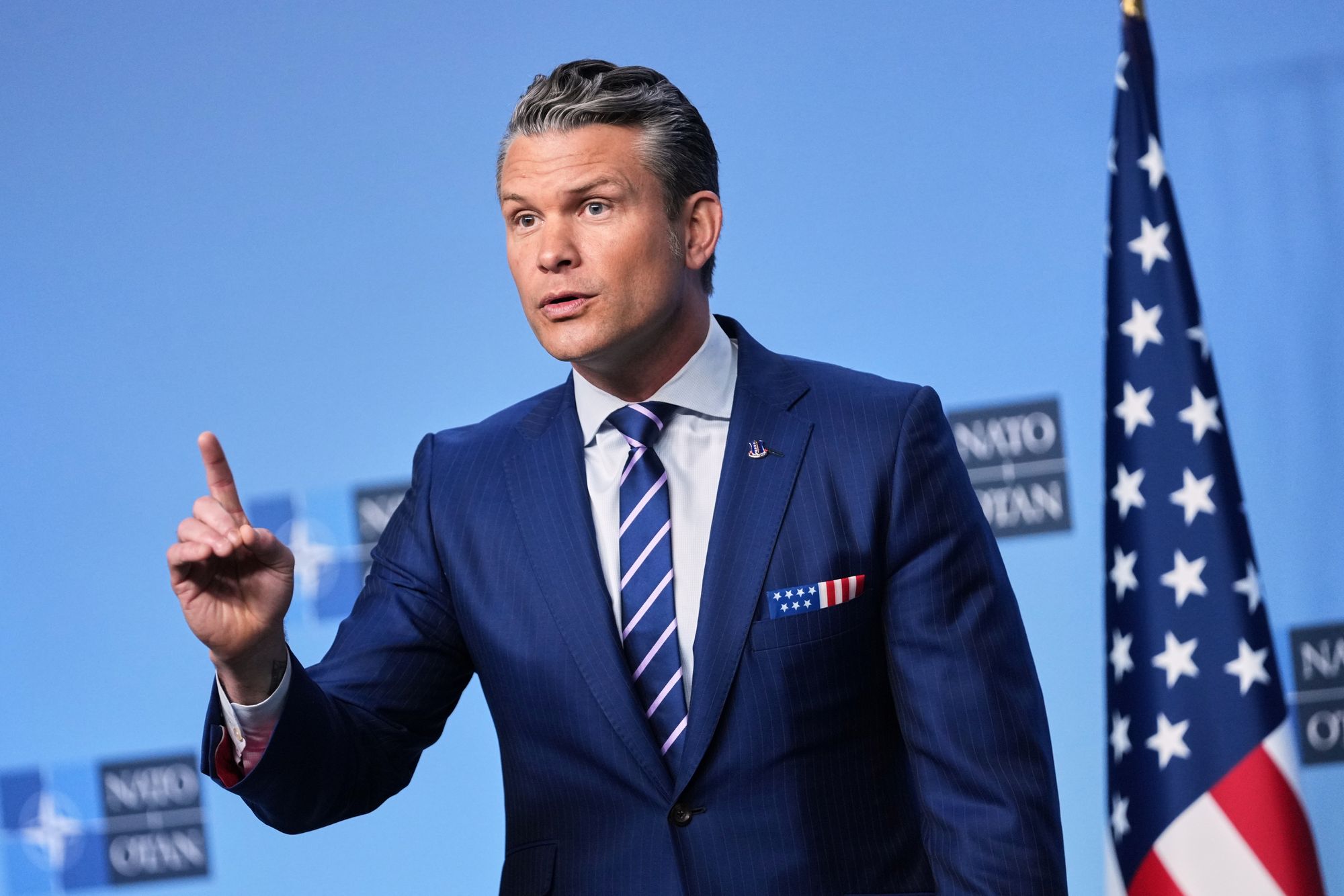
Legal experts outside the military have weighed in, noting that public statements by prominent figures regarding military operations can create both reputational and legal consequences. They emphasized that while public comments alone do not constitute proof of wrongdoing, they can trigger formal investigations to assess whether actual orders or guidance resulted in violations of law. Any findings from such an investigation could have implications for accountability, including potential administrative, civil, or criminal consequences.
Members of the Former JAGs Working Group, all of whom served as military legal officers across various branches, highlighted the importance of reinforcing lawful conduct and upholding the integrity of U.S. armed forces. In their statement, they underscored that adherence to rules of engagement, international law, and ethical standards is essential not only for operational effectiveness but also for the protection of personnel from legal liability.
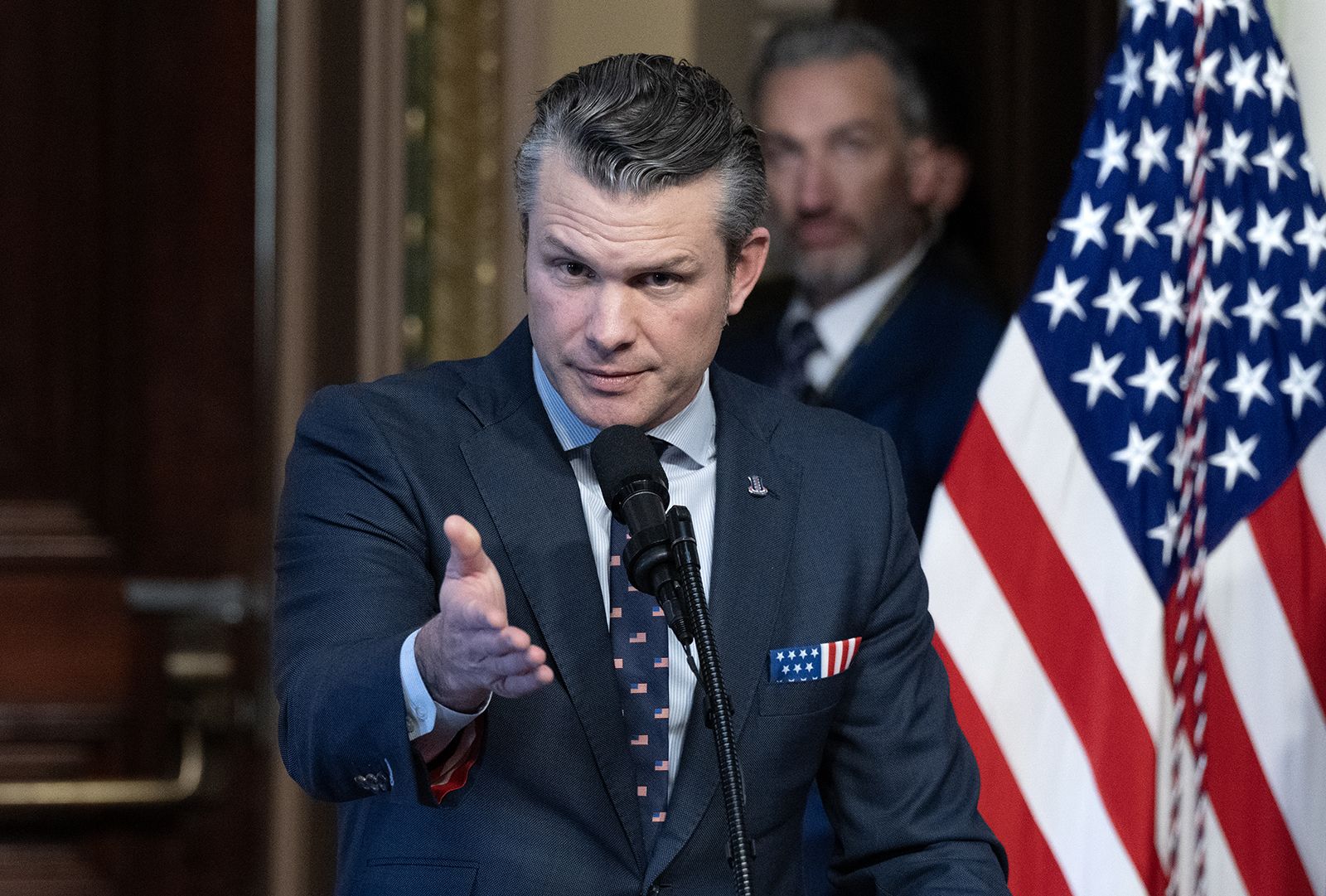
The release of the statement also sparked reactions among current and former military personnel. Some expressed support for the group’s call, emphasizing the critical role of legal oversight in maintaining discipline and ensuring ethical conduct in combat operations. Others cautioned that an investigation must proceed methodically and objectively, relying on verified facts and evidence rather than public statements or media reports.
At the national level, the timing of the statement coincides with ongoing congressional inquiries into recent maritime strike operations, which have already prompted multiple investigations and reviews within the Department of Defense. Analysts noted that the Former JAGs Working Group’s involvement could amplify congressional attention and increase pressure on both defense officials and policymakers to provide detailed information about the decision-making process and chain of command related to the alleged orders.

As of now, no formal charges or disciplinary actions have been announced against Hegseth, and the Department of Defense has not confirmed whether he played a direct operational role in the incidents cited by the group. Officials indicated that any investigation would likely involve a combination of document review, interviews with personnel, and evaluation of operational communications to determine whether any directives violated law or policy.
The Former JAGs Working Group stated that it intends to monitor developments closely and provide further updates as additional information becomes available. Meanwhile, congressional oversight committees are expected to continue questioning defense leadership and reviewing classified materials to ensure that all potential legal and ethical violations are fully examined.
In the coming days, both the Pentagon and Congress will play key roles in determining the scope, timeline, and outcomes of the investigation. Until the findings are released, the controversy surrounding Pete Hegseth’s actions remains a central topic in discussions about military accountability, legal compliance, and the responsibilities of civilian advisors in operational decision-making.