Washington, D.C. — The Republican Party is entering a period of unusually high turnover as a wave of lawmakers across both chambers of Congress have announced that they will not seek re-election in the 2026 cycle. According to early disclosures from congressional offices, four Republican Senators and twenty-three Republican members of the House of Representatives have stated that they intend to step aside at the end of their current terms.

The announcements, which emerged steadily over recent weeks, have sparked intense discussion on Capitol Hill about the direction of the party, upcoming leadership shifts, and how the vacancies may shape the political landscape heading into the next congressional cycle.
Although retirement waves are not unprecedented, the size and timing of this group have drawn heightened attention. Several lawmakers cited personal reasons, including a desire to return to private life or spend more time with family. Others pointed to political fatigue, internal party conflicts, or frustration with congressional gridlock as factors in their decisions.
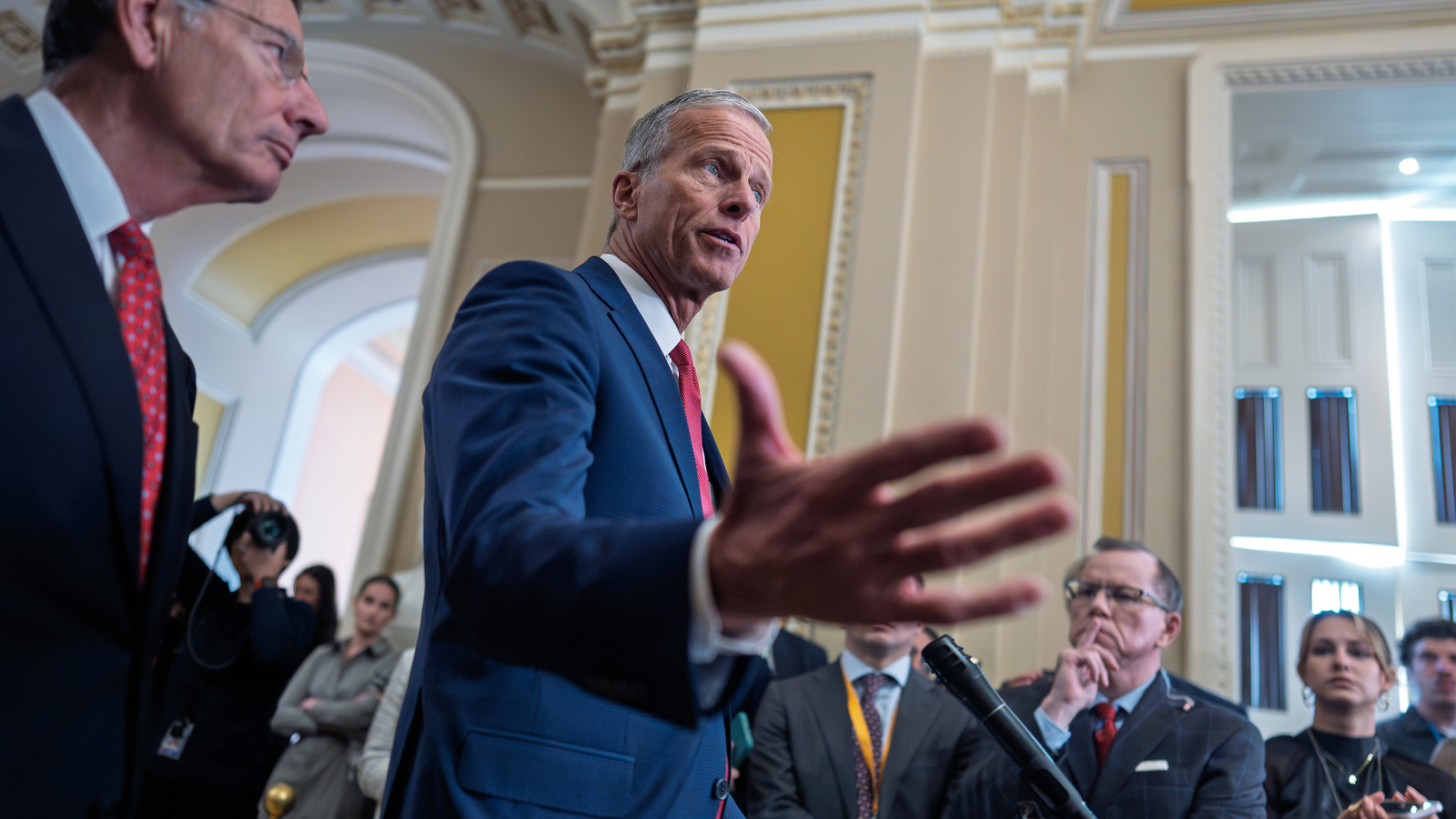
Political strategists note that such a large number of open seats could create competitive battlegrounds across multiple states. Open-seat races typically attract larger candidate fields, heavier fundraising, and greater national party involvement. Both major parties are expected to view the upcoming contests as critical opportunities to expand or defend their influence in Congress.
Analysts say the Senate departures, in particular, could significantly influence control of the chamber. Each vacant seat will likely draw intense scrutiny as primary candidates position themselves and national organizations begin shaping their strategic priorities for 2026.
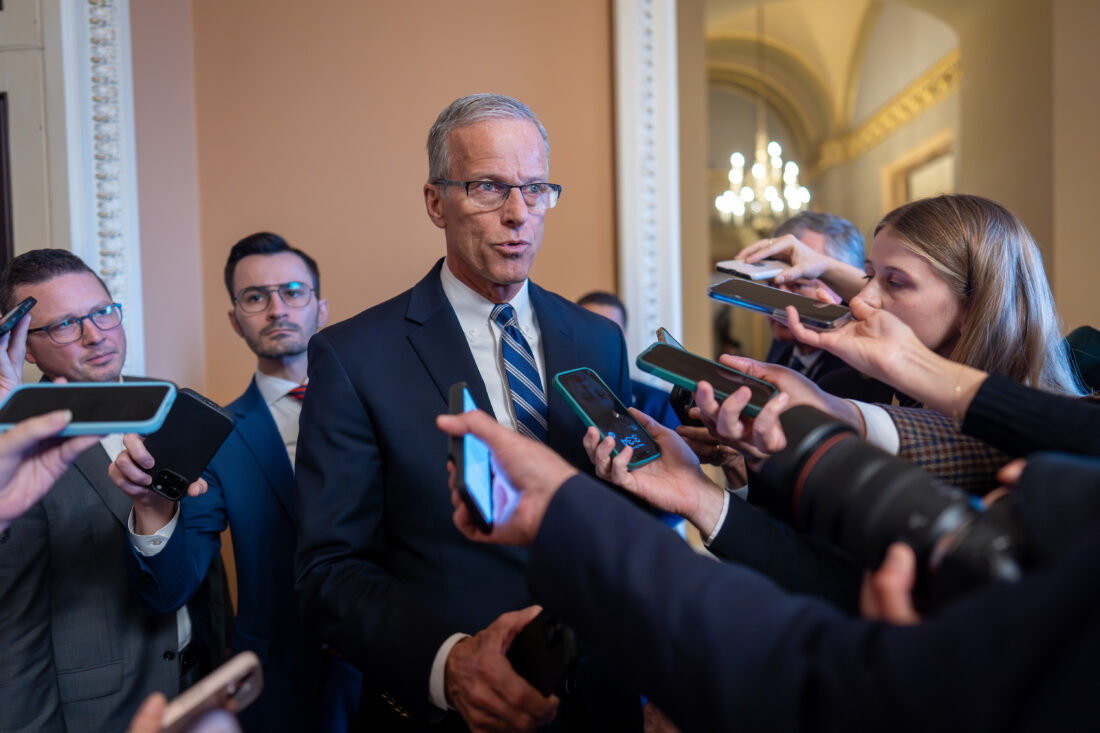
On the House side, the departure of more than twenty members represents one of the larger single-cycle GOP exits in recent years. While some of the districts are considered safely held by Republicans, others may become highly competitive depending on candidate fields, demographic shifts, and national political climate.
Despite the scale of the exits, Republican leadership has urged calm, framing the retirements as part of the natural political cycle rather than evidence of broader instability. Party officials have expressed confidence that strong candidates will emerge to defend the seats.

Democratic leaders, meanwhile, have acknowledged that the unusually high number of open districts will create expanded opportunities but have refrained from commenting on specific race strategies until primary fields become clearer.
As the 2026 midterm cycle continues to take shape, both parties are preparing for what could become one of the most unpredictable congressional maps in over a decade. Candidate announcements, fundraising activity, and primary developments are expected to accelerate over the coming months, setting the stage for a fiercely contested election cycle.