Washington, D.C. — A new political firestorm erupted today after Karoline Leavitt, national spokesperson and prominent surrogate for former President Donald Trump, appeared on camera and acknowledged that a second strike in a recent military incident had indeed been ordered — a claim that immediately intensified scrutiny surrounding the ongoing investigation and set off a wave of swift reactions across government, military circles, and the broader public.
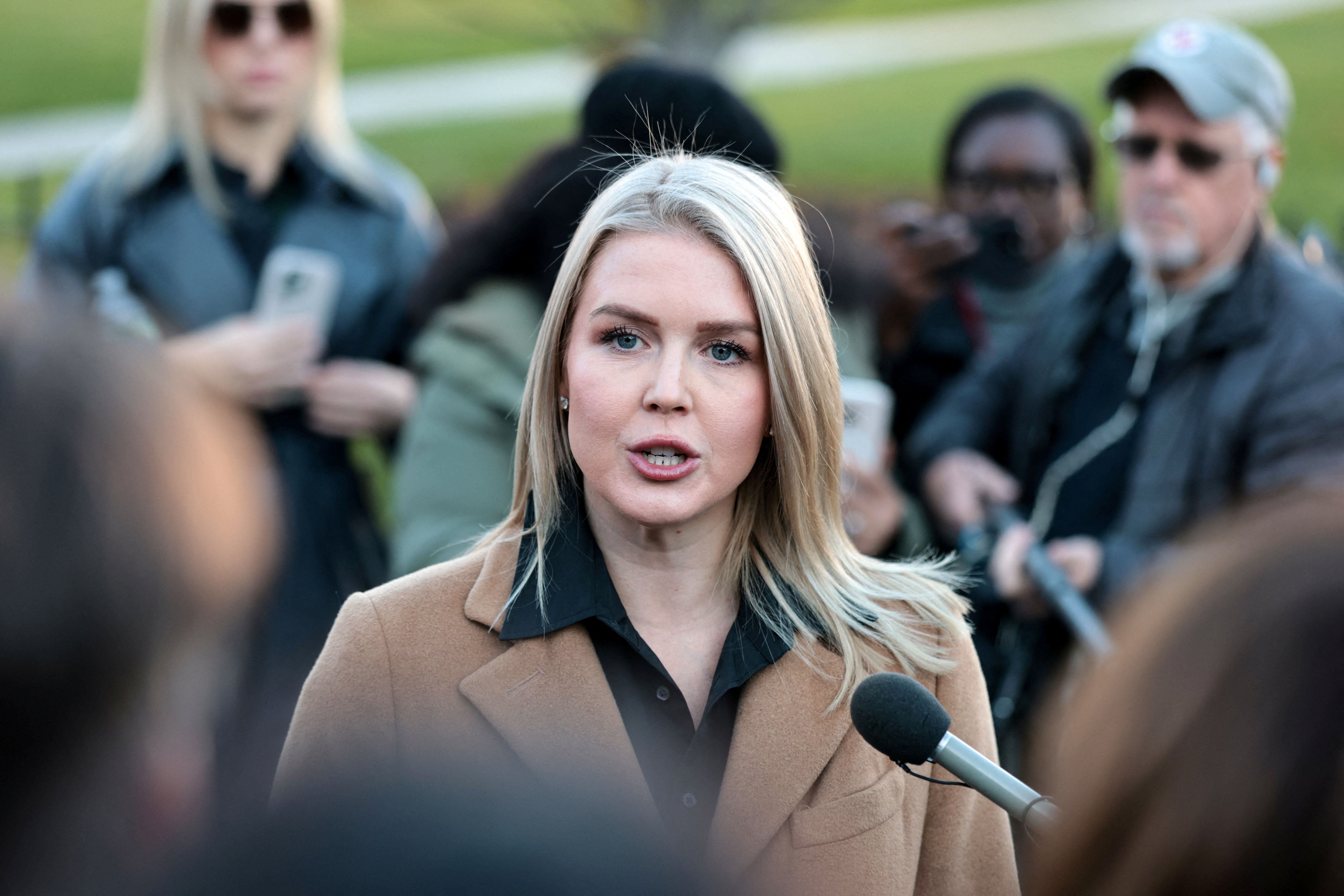
The statement came during a mid‑day press appearance in which Leavitt was responding to ongoing questions about the chain of command and decision‑making process behind the controversial maritime operation that has dominated national headlines for days. While officials have yet to release a detailed account of the events leading up to the strike, allegations have circulated that the second strike targeted individuals who had already been incapacitated or were attempting to escape the initial impact. Such an action, if confirmed, would run counter to long‑standing U.S. military rules of engagement and could constitute a violation of international law.
Standing behind a lectern during what initially appeared to be a routine briefing, Leavitt was asked directly whether senior officials had authorized a second strike after the first impact. In response, she stated that the military “took necessary measures to complete the mission,” adding shortly afterwards that “the second strike was ordered, and it was the right call.” The remarks, delivered without hesitation, immediately drew visible reactions from reporters in the room. Some pressed her to clarify whether she was confirming for the first time that a follow‑up strike had been intentionally directed after the initial action. Leavitt did not retract or amend her statement, instead reiterating that the decisions made during the operation were “appropriate.”

Within minutes, the clip began circulating widely across social media and major news networks. Lawmakers were quickly made aware of the footage as they were already reviewing preliminary materials from the Department of Defense regarding the incident. The acknowledgment marked the first time a senior figure associated with Trump’s political operation publicly stated that the second strike was deliberate and authorized, not accidental or the result of miscommunication between units in the field.
At the Pentagon, officials maintained that the internal investigation remains ongoing. A spokesperson reiterated that no conclusions have yet been reached and emphasized that the department had not certified the authenticity or context of any specific orders. The spokesperson also declined to comment on Leavitt’s remarks, stating only that the review would evaluate “all operational decisions, communications, and directives” related to the incident.

Meanwhile, members of Congress reacted quickly and forcefully. Several senators who had already expressed concern over earlier reports issued statements throughout the afternoon acknowledging Leavitt’s comments and calling for urgent clarification from the Department of Defense. Staff with the Senate Armed Services Committee confirmed that Leavitt’s recorded remarks will be added to the growing body of evidence lawmakers expect to question defense officials about in upcoming hearings.
On the House side, multiple representatives from both parties signaled that the footage raises new questions about the chain of command, the role of civilian officials, and the possibility that political figures may have been involved in operational discussions. Several members requested that the Department of Defense provide exact timestamps, communication transcripts, and operational logs to determine when the decision for a second strike was made and who authorized it.

As the story developed throughout the day, attention also turned to Pete Hegseth and Donald Trump, both of whom have been publicly linked to discussions about military operations in recent days. While no evidence has been released connecting either directly to the maritime strike decision, critics have pointed to Leavitt’s comments as potential signs of broader involvement by individuals outside the formal military hierarchy. Representatives for Trump and Hegseth did not immediately respond to requests for comment and have not issued public statements addressing the footage.
Former military officers who viewed the clip described it as highly unusual. Many emphasized that confirmation of a second targeted strike under the circumstances described would fall under strict legal scrutiny. Officers who previously served in command roles noted that such actions are subject to tightly regulated protocols and require clear justification based on immediate threat or ongoing hostile action. Without full documentation from the Department of Defense, retired commanders stressed that the context remains incomplete, though they acknowledged the seriousness of any public acknowledgment involving a follow‑up attack.

By early evening, the footage continued to dominate televised coverage. Legal experts, former JAG officers, and defense analysts appeared across major networks to describe standard rules of engagement and discuss the definition of unlawful or disproportionate force under international conventions. Although their interpretations varied, many agreed that Leavitt’s remarks — if consistent with documented events — would prompt immediate and formal review by military legal authorities.
Inside the White House, officials were briefed on the situation shortly after the clip surfaced. Press staff indicated that the administration is monitoring developments but declined to provide comment until the Department of Defense review progresses further. They also confirmed that senior national security officials have requested updated briefings on the investigation as new information becomes available.
As night fell in Washington, lawmakers continued meeting behind closed doors, reviewing the initial materials provided by the Pentagon and preparing for expanded oversight proceedings. Committee aides described the next 48 hours as critical, with several senators pressing for direct testimony from high‑ranking defense officials. Those familiar with the investigation say they expect the scope of congressional inquiry to widen following Leavitt’s statements, with additional hearings likely to be scheduled.
For now, the recorded acknowledgment of the second strike remains the central development shaping the national conversation. With multiple investigations underway and significant political attention focused on the incident, Leavitt’s on‑camera remarks have accelerated demands for transparency and heightened scrutiny of the decision‑making process behind the controversial operation. The Department of Defense has not announced when its findings will be made public, leaving the timeline uncertain as officials, lawmakers, and the public await further clarification.