Washington, D.C. — In a dramatic escalation that has sent shockwaves through the halls of Congress, Arizona Senator Mark Kelly has formally demanded the impeachment of Ohio Senator JD Vance.
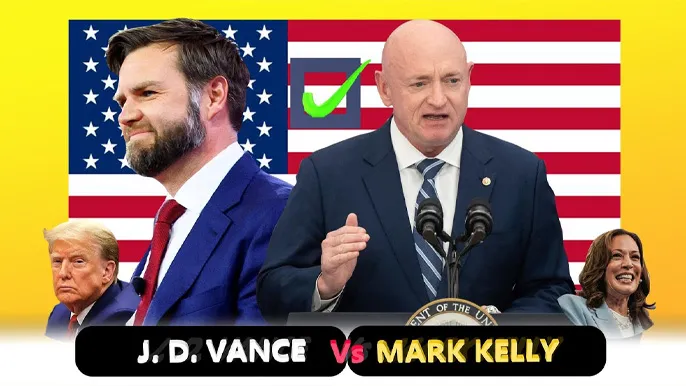
The unprecedented move, announced in a fiery statement late yesterday, marks a pivotal moment in the partisan battles gripping the nation. What had simmered as quiet dissatisfaction for months has now burst into open confrontation, forcing Americans to reckon with deep fractures around leadership, power, and accountability.
The announcement comes amid mounting tension over Vance’s controversial policies and public stances — positions critics argue have steadily eroded democratic norms. Kelly, a former astronaut and decorated Navy veteran, left no room for ambiguity.
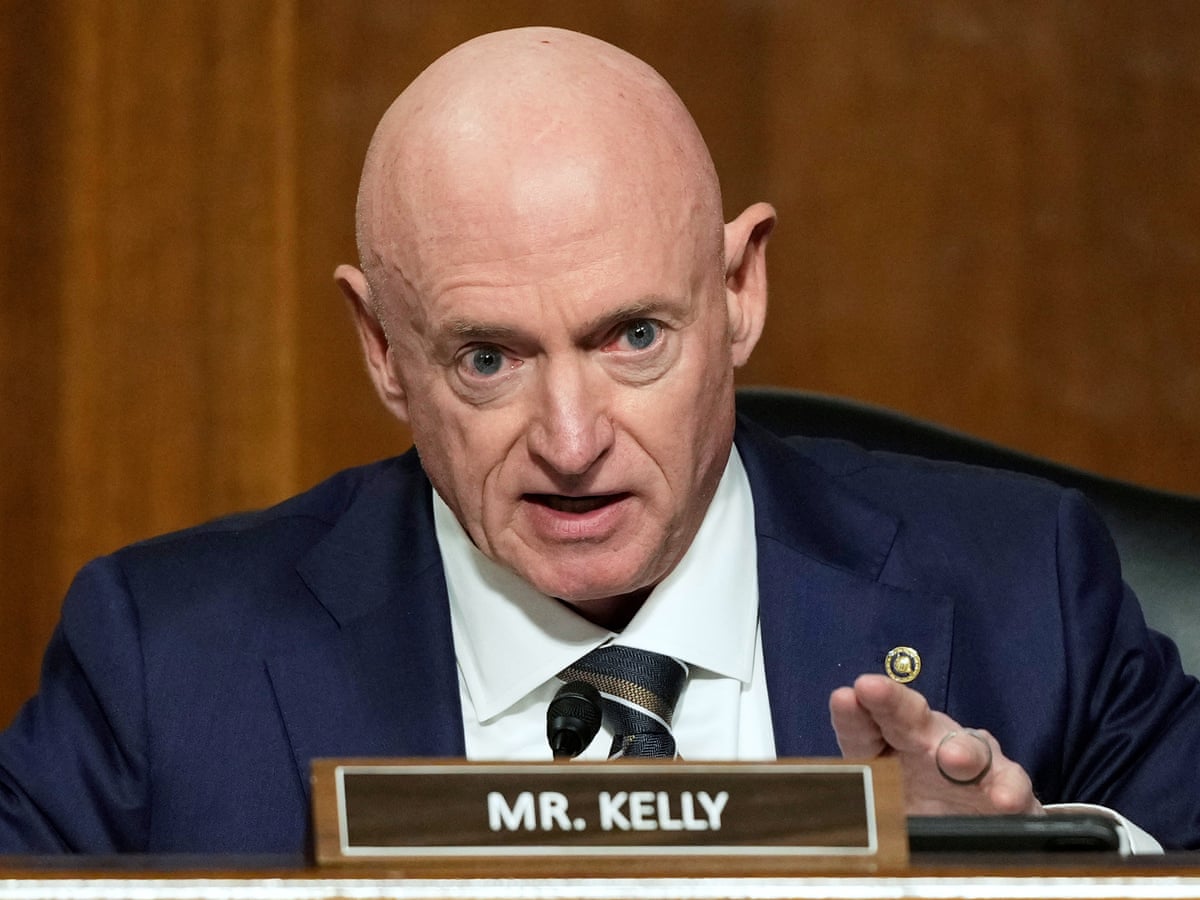
“The time for patience is over,” he declared. “JD Vance’s actions have crossed lines no elected official should ever approach. Impeachment is not just an option — it is a necessity to protect the integrity of our institutions.”
His words amplify a growing sense of frustration within and beyond his party, framing Vance as a figure whose decisions have repeatedly ignited outrage.
What began as muted criticism has now escalated into a full-scale challenge. Sources close to Kelly say the decision followed weeks of internal deliberation, driven by Vance’s handling of key issues such as economic reform and national security. Insiders confirm Kelly’s team reviewed extensive material — including voting records and public endorsements — they believe conflict with the responsibilities of a U.S. senator.
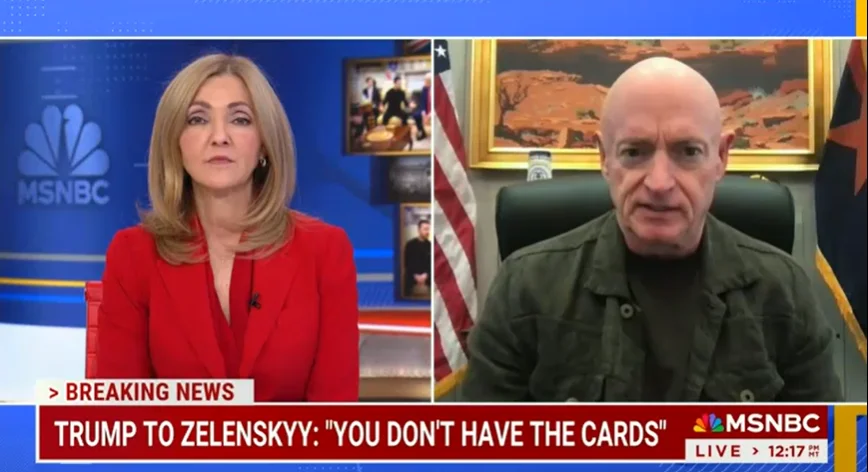
This is not being positioned as political theater. It is framed as a calculated strike.
As details emerge, questions intensify. Which specific actions tipped the balance? Could this fracture existing alliances and reshape power dynamics in the Senate?
Reaction was immediate — and sharply divided.
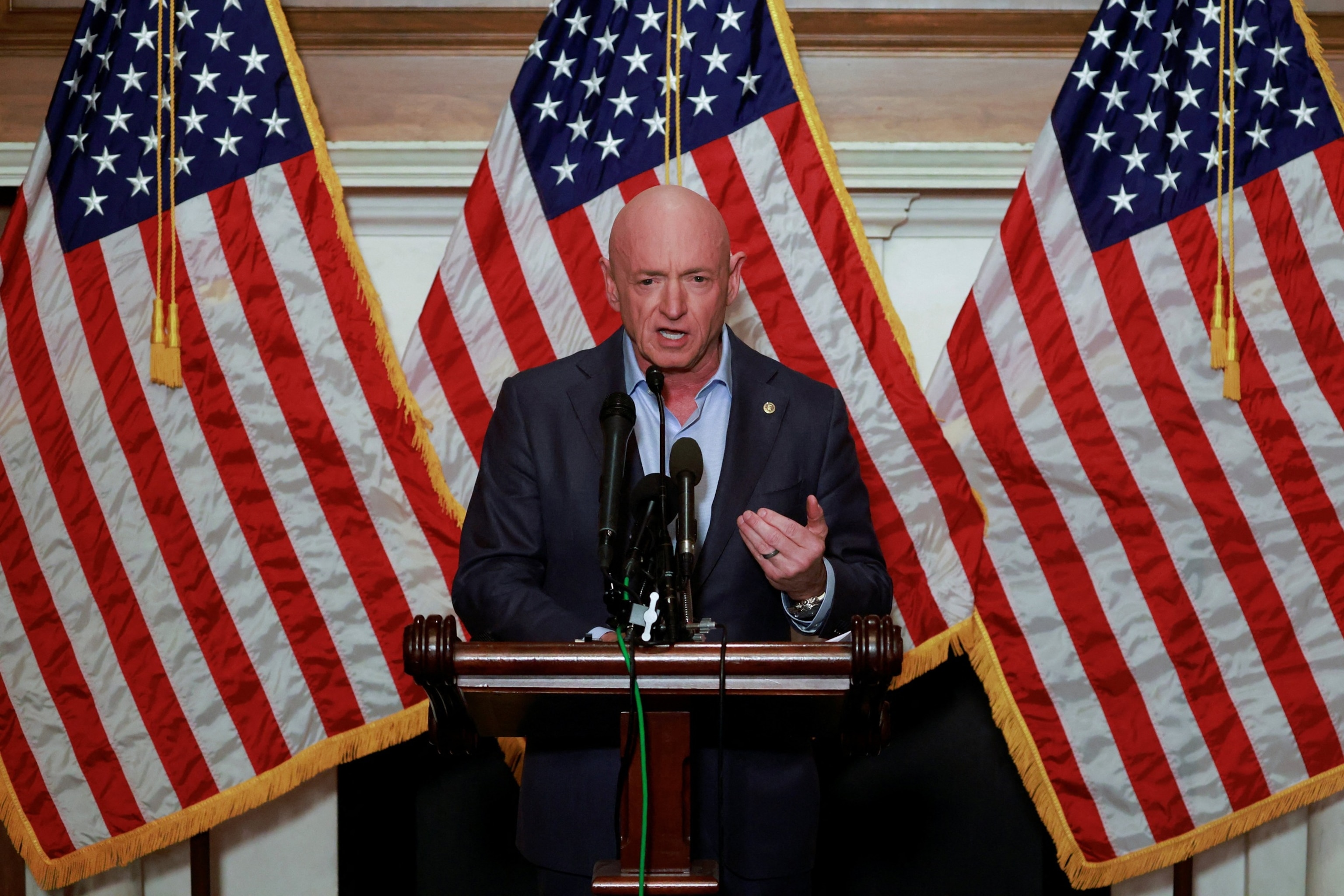
Supporters of Vance, including senior Republican figures, dismissed the demand as a partisan witch hunt. “This is desperation from a failing opposition,” one GOP strategist shot back, arguing that Vance’s brand of conservatism reflects the will of his voters.
On the other side, progressive activists and Democratic allies rallied behind Kelly, hailing his stance as a rare act of courage against extremism. Social media erupted. Hashtags surged as users shared stories linking Vance’s policies to job losses, economic instability, and fears of eroding civil rights.
Yet the intrigue deepens further.
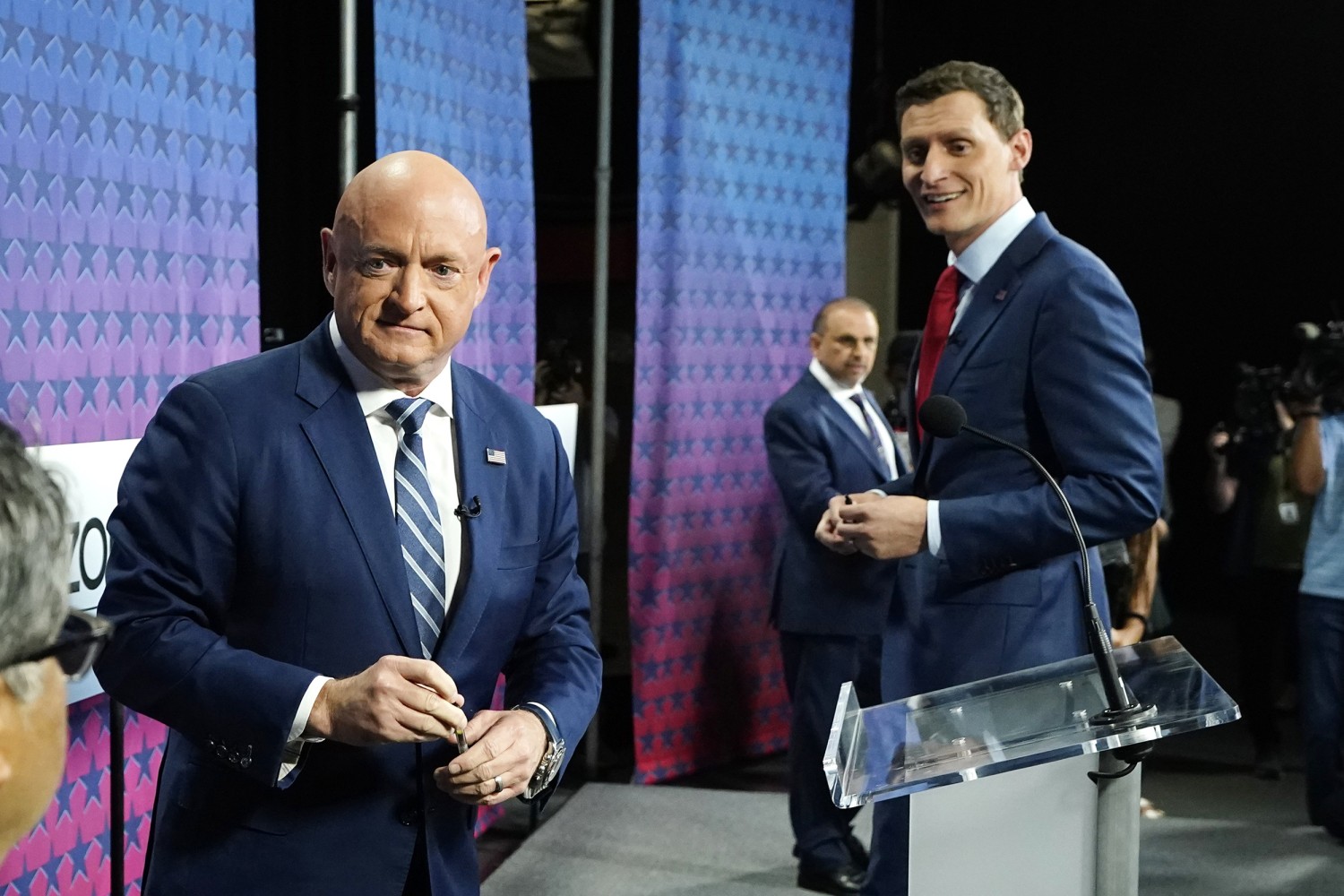
Kelly’s reputation as a measured, bipartisan voice adds complexity to the moment. Known for crossing party lines on issues like gun safety and space policy, his turn toward confrontation signals broader unrest beneath the surface. Analysts speculate this could open the door to formal investigations — potentially exposing controversies long rumored but never fully examined.
Will Vance retaliate with counter-accusations? Could this escalate into a historic Senate showdown, echoing past impeachment battles that reshaped American politics?
For now, one reality is undeniable. Kelly’s call has ignited a firestorm that refuses to be ignored. It forces a national reckoning — not just about one senator, but about the limits of tolerance in democratic governance.
Does Vance’s conduct justify such an extreme measure, or does this moment risk deepening an already fractured nation?
The debate is raging.
And its consequences may reach far beyond Capitol Hill.