Washington, D.C. — A growing chorus of military experts, former commanders, and national security officials is speaking out forcefully after comments attributed to former President Donald Trump and media personality Pete Hegseth sparked widespread condemnation across the defense community. The remarks — involving whether it is ever acceptable to use lethal force against individuals struggling in the water — have prompted what some observers describe as one of the most unified responses from military professionals in recent years.
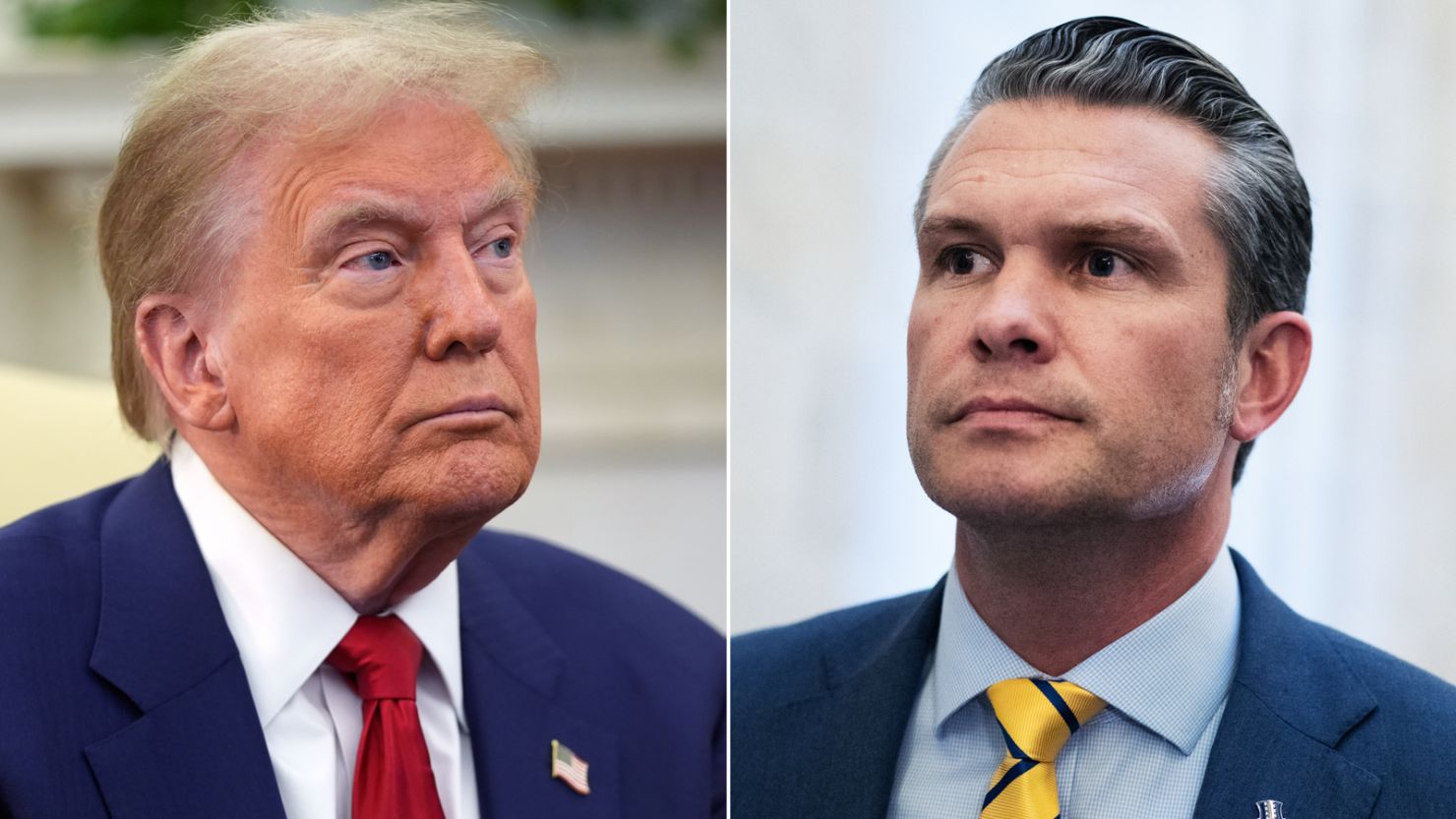
The controversy began earlier this week when a statement surfaced during an interview and subsequent commentary segment involving Trump and Hegseth. While the original exchange has been interpreted in various ways by supporters and critics alike, the reaction from military experts has been swift, public, and overwhelmingly negative. For many, it has raised deep concerns about the ethical boundaries of warfare, the laws governing armed conflict, and the moral standards expected of those in command.
Retired Admiral James Stavridis, former Supreme Allied Commander of NATO, was among the first to voice opposition, stating, “The United States military operates under one of the most disciplined and humane codes of conduct in the world. There is no scenario, no theater of war, and no chain-of-command directive in which targeting individuals clinging to a boat in open water would ever be considered acceptable.” His comments were echoed within hours by a wide range of military legal experts, former special operations leaders, and officers familiar with maritime rules of engagement.
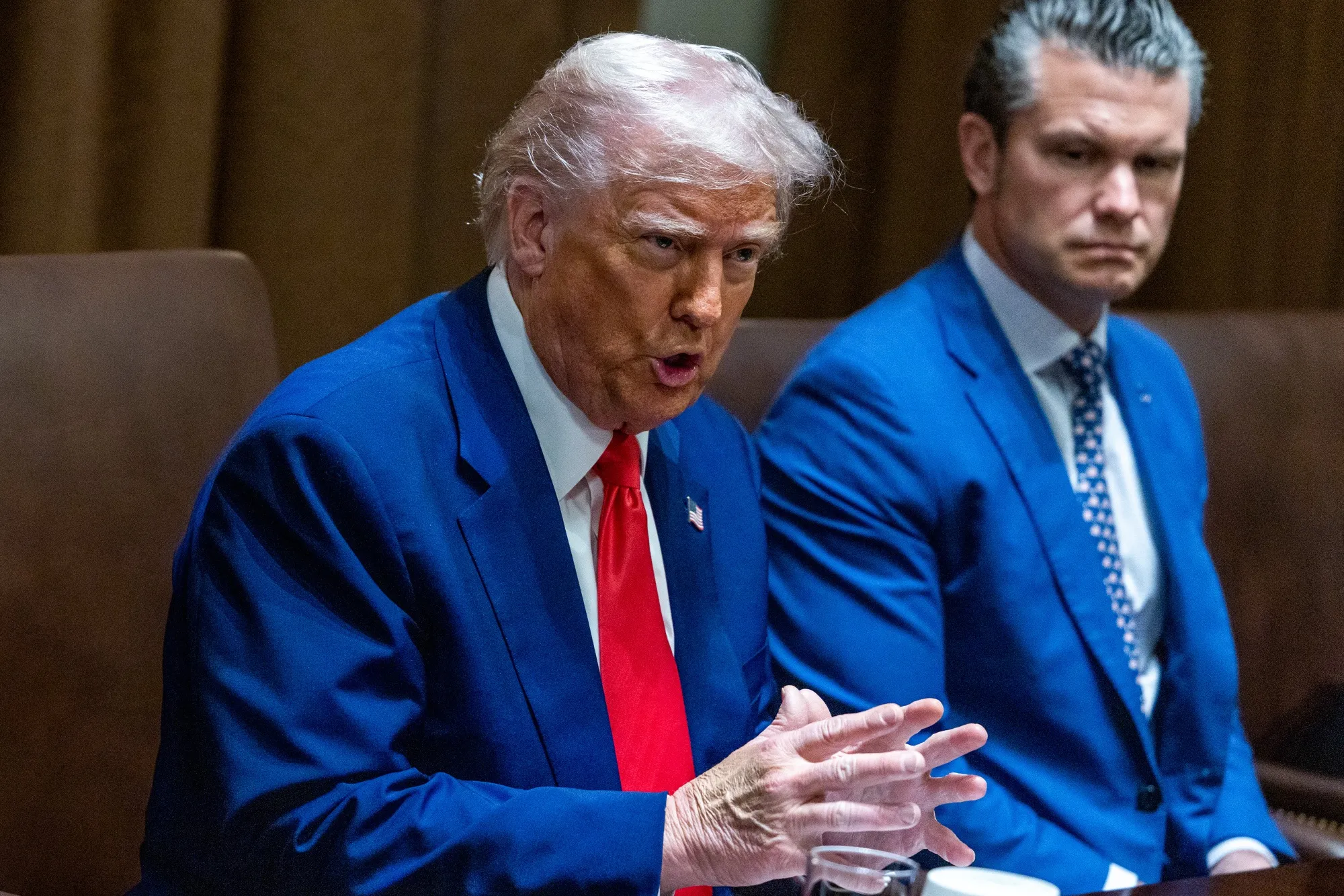
Perhaps the most widely circulated criticism came from a former Marine Corps Judge Advocate who stated bluntly, “I can’t imagine anyone, in any circumstance, believing it is appropriate to kill people who are clinging to a boat in the water.” The quote has since become the defining line in a debate that has spread rapidly across national media outlets and social platforms.
In interviews throughout the week, multiple officers explained that the laws of armed conflict — including conventions the United States helped craft — explicitly prohibit harming individuals who are hors de combat, meaning those who are incapacitated, surrendering, or otherwise incapable of fighting. People stranded in the water, regardless of affiliation or intent, fall squarely into that category unless they actively pose an imminent threat.
Rear Admiral (Ret.) John Kirby, former Pentagon spokesperson, pointed to decades of maritime tradition: “Naval forces have rescued enemy fighters, pirates, smugglers, and civilians without hesitation. The sea is unforgiving, and the U.S. military has always recognized the moral obligation to preserve life whenever possible.”
Beyond legal and ethical concerns, many experts stressed the operational dangers of adopting or even normalizing such rhetoric. A retired Army special operations commander noted that behavior on the battlefield is shaped heavily by culture and expectations at higher levels. “If leadership suggests that unlawful acts might be acceptable, even hypothetically, it erodes discipline. It puts service members at risk. And it undermines America’s credibility across every theater of conflict.”
The comments also sparked concern among diplomats and international law specialists who warned that even symbolic suggestions of extreme force can strain alliances, complicate military partnerships, and provide adversaries with propaganda materials. Several experts recalled previous controversies in which misinterpreted remarks created friction with international military courts or human rights observers, requiring lengthy clarification from the Department of Defense.
Meanwhile, Trump allies and several conservative commentators have defended the remarks, insisting they were taken out of context or exaggerated for political effect. A spokesperson for Trump argued that critics were “willfully distorting” the conversation to generate outrage, asserting that the former president has consistently supported strong national defense while respecting the laws governing military operations. Pete Hegseth has not issued a detailed clarification, though individuals close to him have suggested the comments were part of a broader discussion about border security, law enforcement challenges, and hypothetical combat scenarios rather than a literal endorsement of violence.
Still, the reaction from military institutions suggests the controversy may continue. Several former Pentagon officials indicated that such remarks require clear pushback, not for political reasons but to reinforce the standards under which U.S. forces operate. As one retired colonel explained, “The military depends on rules — strict, consistent rules. When public figures with influence start blurring those lines, even rhetorically, the armed forces must respond firmly.”
In Congress, lawmakers on both sides of the aisle have asked for clarification, though no formal inquiry has been announced. Some members of the Senate Armed Services Committee expressed frustration that the issue has diverted attention from ongoing debates about defense spending, global readiness, and the challenges posed by rising geopolitical tensions.
Despite the uproar, military experts agree on at least one point: the public response demonstrates the resilience of long-standing U.S. military values. As retired General Mark Hertling stated, “What we’re witnessing is the system working. Veterans, officers, and commanders are speaking up because they take their oath seriously. They know what America stands for, and they know what crosses the line.”
Whether further clarification will come from Trump or Hegseth remains unclear. But for now, the reaction from the defense community stands as one of the strongest rebukes to public commentary related to military conduct in recent memory — a reminder that some principles, in the eyes of those who served, remain non-negotiable.