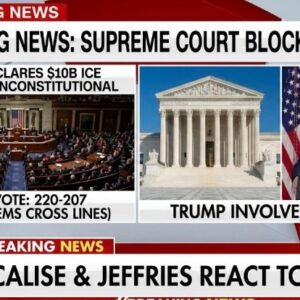
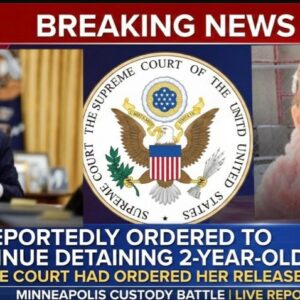
According to the statement, the Court outlined concerns that military operations connected to V@nezuel@, along with actions involving the detention of M@dur0, were undertaken without prior authorization from C0ngr3ss.
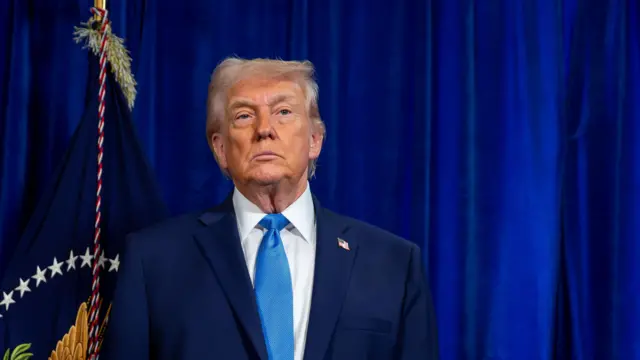
The notice referenced constitutional provisions, including Article I, Section 8, as well as the War Powers framework, which assigns primary authority over declarations of war and sustained military engagement to the legislative branch.
Court officials emphasized that the statement does not constitute a ruling, but rather a clarification of constitutional boundaries, issued amid growing confusion and conflicting public accounts surrounding the scope of executive authority.
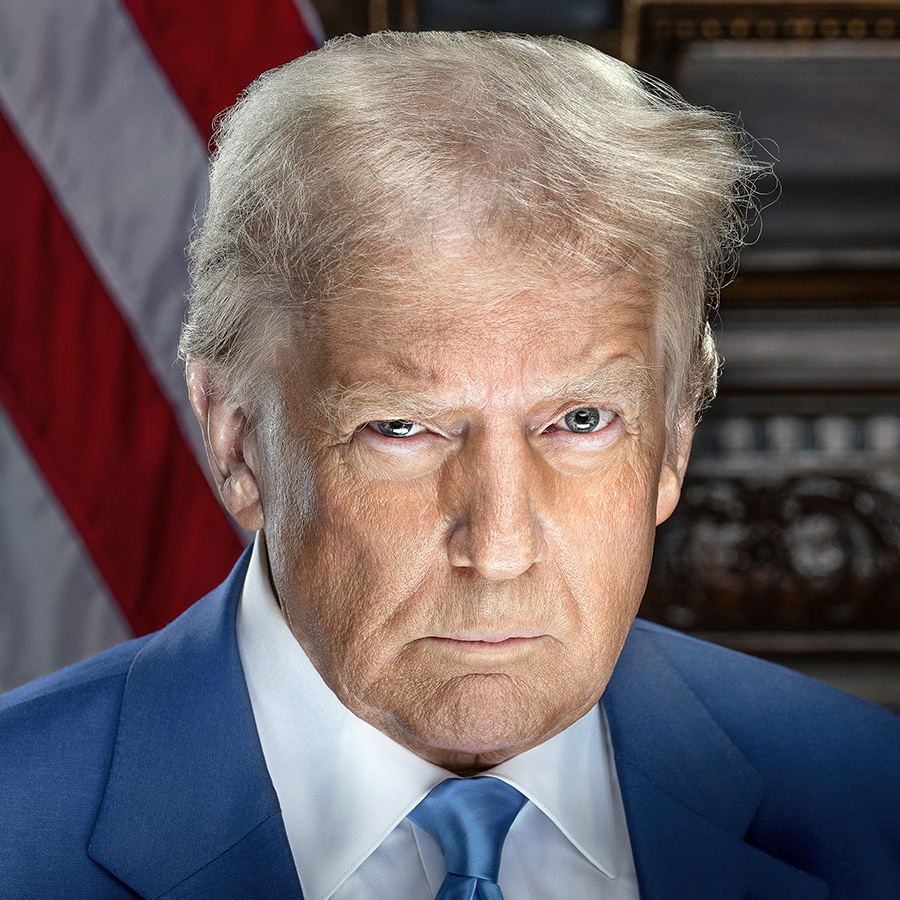
Legal analysts say such communications are rare and typically signal institutional concern about separation-of-powers questions rather than judgments about policy outcomes or military strategy.
The development has prompted renewed discussion on Capitol Hill regarding oversight responsibilities, notification requirements, and whether existing statutes adequately constrain unilateral action by the executive branch.
Sources familiar with congressional procedures indicate that preliminary inquiries are being considered to assess compliance with statutory obligations and to determine whether formal review mechanisms should be triggered.
From a governance perspective, the episode underscores long-standing tensions between national security decision-making and constitutional process,
particularly when rapid action abroad collides with legislative prerogatives.
As lawmakers and legal scholars review the statement, the focus appears to be shifting toward procedural accountability and institutional clarity, rather than immediate conclusions about liability or enforcement.