The move immediately drew national attention, reflecting California’s continued emphasis on scientific expertise in public health and governance.
State officials described the initiative as an effort to strengthen transparency, communication, and public confidence in scientific institutions.
Monarez, known for her data-driven approach, is expected to play a central role in shaping strategies that bridge gaps between research, policy, and public understanding.

Observers noted that the appointment comes amid broader national debates over the role of science in decision-making and public discourse.
Supporters of the move praised California for prioritizing expertise, arguing that trust in science is essential for effective public health outcomes.
Critics questioned whether state-led initiatives can meaningfully influence national attitudes, suggesting that trust deficits stem from deeper political polarization.
Policy analysts emphasized that rebuilding confidence requires not only accurate information, but consistent messaging and institutional credibility over time.
The initiative is expected to focus on outreach, education, and collaboration with academic and medical communities.
Public health experts highlighted that leadership figures can shape perception, particularly when they emphasize evidence and openness rather than ideology.
The announcement also renewed discussion about how states can act independently when national consensus proves difficult to achieve.
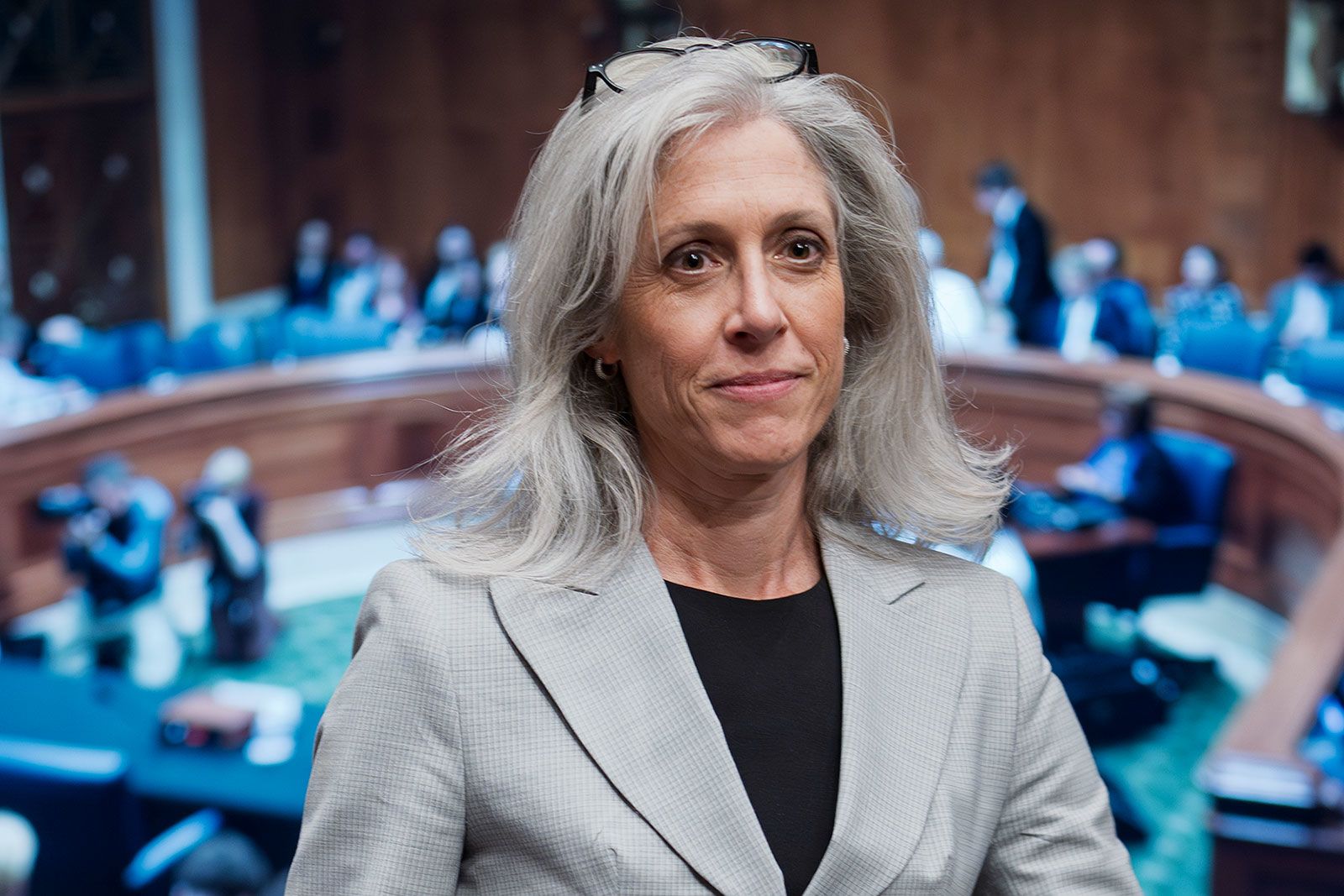
Media coverage framed the appointment as part of California’s broader strategy to assert leadership in policy areas tied closely to science and innovation.
Some commentators viewed the move as symbolic, while others argued that symbolism itself can influence public engagement and trust.
The effort aims to address skepticism by making scientific processes more accessible and understandable to the public.
Analysts noted that trust is built gradually, often through consistent results rather than single appointments.
The development underscored how governance increasingly intersects with public perception of expertise.
As reactions unfolded, attention turned to how the initiative would be structured and measured for effectiveness.
The appointment highlighted the growing role of states as laboratories for policy experimentation.
Forty minutes later, the decision stood as a clear statement of intent, emphasizing evidence-based leadership as a guiding principle.
At its core, the move reflected an ongoing belief that science remains a foundational tool for addressing complex societal challenges